Athletes Kitchen: Routine Building for Different Lifestyles
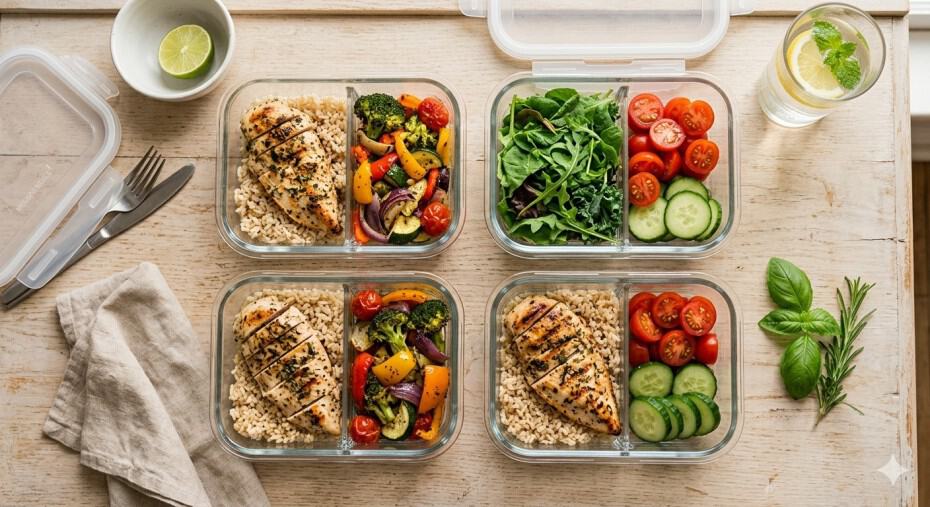
How to Create a Food Routine That Fits Your Schedule
In today’s fast-paced world, one of the biggest struggles people face is not knowing how to eat consistently. Adults often struggle with consistent eating due to busy schedules. It’s not that we don’t understand what healthy eating looks like – balanced meals with quality proteins, fiber-rich vegetables, and smart carbs – but it’s about building a routine around food that actually works for our lifestyles. Some of us wake up at 5 a.m. ready to take on the world. Others don’t really hit their stride until the afternoon. And then, of course, there are the night-shift workers who live on an entirely different clock.
Food is fuel, but it’s also rhythm. Just as we align our sleep with our circadian cycle, we need to align our eating with the demands of our schedule. The good news? You don’t need to overhaul your life or follow some extreme, rigid plan. By building a food routine that fits your unique lifestyle and supports a balanced diet, you can eat better, feel better, and perform better – without the stress.
Establishing a routine is a key part of a healthy lifestyle, and building these habits leads to better health outcomes over time.
Let’s break it down by lifestyle type. These routines matter for everyone, regardless of their specific lifestyle.
Introduction to Creating a New Routine
Starting a new routine can be a game-changer for your overall health and wellbeing. When you intentionally build healthy habits into your daily schedule like regular physical activity, balanced meals, and a good night’s sleep you set yourself up for lasting health benefits. Even small changes, such as taking a brisk walk after lunch or prepping healthy meals for the week, can have a significant impact on your energy, mood, and stress levels.
A balanced daily routine isn’t just about what you eat or how much you exercise; it’s also about making time for self care activities and relaxation. Carving out moments for meal prep, stretching, or simply unwinding with a book can help reduce stress and support your mental health. The key is to start with manageable steps maybe adding a few push ups to your morning, or swapping one meal a day for a more balanced option. As these habits become part of your routine, you’ll find it easier to maintain your new routine and continue building on your progress.
Remember, creating a routine is about finding what works for you. Whether it’s planning healthy meals in advance, scheduling regular physical activity, or making time for rest, each step you take brings you closer to better overall health and a more balanced lifestyle.
Morning People: Fueling the Early Birds
Morning people wake up with energy. Maybe you’re a runner who loves hitting the road before the city wakes up, or maybe you’re a professional who thrives on getting your best work done before lunch. For morning people, the first meal sets the tone for the rest of the day. A healthy breakfast is important for jumpstarting metabolism, preventing overeating later, and improving performance throughout the day. This energy is often built on a good night’s sleep, which provides the foundation for waking up early and feeling refreshed.
Why Routine Matters for Morning People
If you’re an early bird, your body is primed for digestion and productivity early in the day, efficiently utilizing the calories consumed in the morning. A good breakfast not only stabilizes blood sugar but also helps sustain the energy you need to keep momentum. Skipping breakfast for this group often leads to afternoon crashes and increased cravings later on.
A Sample Morning-Person Routine with Athletes Kitchen
- Breakfast (6-8 a.m.): Start with our specialty high-protein, high-fat breakfast with added fiber. These meals are designed to sustain morning energy without mid-morning crashes and help you save time during busy mornings.
- Mid-Morning Snack (10 a.m.): Add on a protein snack or extra protein portion from our protein add ons. Perfect for keeping focus steady through meetings or workouts.
- Lunch (12-1 p.m.): Choose from the Athletes Plan (for higher protein and recovery) or the Lifestyle Plan(balanced macros with fermented vegetables for gut health).
- Afternoon Snack (3-4 p.m.): A protein salad or additional protein portion to keep energy consistent before winding down.
- Dinner (6- p.m.): A lighter plate from the Shredding Plan for leaner proteins and controlled carbs, or a Lifestyle Plan meal for balance.
- Optional Evening Wind-Down (8 p.m.): A calming tonic like NeuroZen to ease into recovery.
Mid-Day Workers: The 9-to-5 Hustlers
This is the most common lifestyle. You wake up around 7-8 a.m., work a traditional day, and head home in the evening. For mid-day workers, the challenge is often consistency battling rushed mornings, snack attacks at work, and late-night cravings after a long commute. If you are trying to lose weight, establishing a structured routine with planned meals and hydration can help manage these cravings and support your goals. Incorporating regular breaks into your workday is also important, as short, frequent pauses help maintain energy, reduce stress, and prevent unhealthy snacking.
Why Routine Matters for Mid-Day Workers
When your job anchors your day, eating tends to revolve around convenience. That’s where people fall into the trap of skipping breakfast, grabbing fast food for lunch, or overeating at night. Routine prevents energy crashes, mood swings, and poor food choices.
A Sample Mid-Day Worker Routine with Athletes Kitchen
- Breakfast (7:30-8:30 a.m.): Our specialty breakfast options or protein-packed breakfast meals make mornings easy and energizing.
- Mid-Morning Snack (10:30 a.m.): Add an AK protein snack (avocado pudding, bites, bars) or an extra protein portion for clean, quick fuel.
- Lunch (12:30-1 p.m.): Anchor your day with a Lifestyle Plan meal (low-GI carbs + fermented veggies), or choose the Athletes Plan if you need more protein and more calories for training or an active lifestyle.
- Afternoon Snack (3:30-4 p.m.): A protein salad or protein add-on keeps you satisfied and prevents pre-commute fatigue.
- Dinner (7-8 p.m.): Either another Lifestyle Plan meal for balance or a Shredding Plan meal if weight management is the goal.
- Evening Treat (9 p.m.): Choose one of our healthy snacks all free from artificial sugar and designed to satisfy a sweet tooth without guilt.
Night-Shift Individuals: Thriving on the Flip Side
Night-shift workers are often overlooked in nutrition discussions, yet they face the toughest challenge. Nurses, factory workers, first responders, and late-night professionals live in a world where the normal meal schedule doesn’t apply. Eating at odd hours can throw off digestion, hormones, and sleep if not planned properly. This disruption can also increase the risk of developing diabetes, making it even more important for night-shift workers to make healthier food choices to support their overall well-being.
Why Routine Matters for Night-Shift Workers
The body’s circadian rhythm is naturally tuned to daytime eating. But by creating consistency even if it’s flipped night-shift workers can prevent digestive stress, fatigue, and unwanted weight gain. Key points include timing meals to mirror day rhythms and making digestion-friendly choices during the night. Maintaining a consistent routine can also support good sleep, even with an unconventional schedule.
A Sample Night-Shift Routine with Athletes Kitchen
- Shift Start Breakfast (7-8 p.m.): Break your fast with a Lifestyle Plan meal or Elite Plan meal (low-FODMAP and nightshade-free if sensitivities are an issue).
- Mid-Shift Snack (11 p.m.-12 a.m.): Keep it light with a protein snack or add-on portion.
- Shift Lunch (2-3 a.m.): Make this the largest meal of the shift. The Athletes Plan or Shredding Plan provide clean proteins and carbs tailored to energy needs, and are designed to support muscle mass maintenance during night shifts.
- Pre-End Snack (5 a.m.): A calming snack paired with NeuroZen tonic to ease stress and prep for rest.
- Daytime Dinner (7-8 a.m., before sleep): Choose a lighter Elite Plan meal to reduce digestive strain before bed.
- Supportive Boosts: Incorporate NeuroShield tonic for immune defense and recovery, as night-shift work often stresses the body.
Prioritizing Mental Health in Your Routine
Taking care of your mental health is just as important as eating well or staying active. By weaving healthy habits that support mental wellbeing into your daily routine, you can experience benefits like improved mood, more energy, and a reduced risk of depression. Simple practices such as a wind down routine before bed, meditation, or even a few minutes of deep breathing can help you relax and prepare for a good night’s sleep.
It’s also helpful to be mindful of your food choices and screen time. Limiting highly processed foods and added sugars can have a positive effect on your mental health, while reducing screen time in the evening can make it easier to unwind. Activities like walking, stretching, or listening to music can be powerful tools for relaxation and stress relief.
Making mental health a priority doesn’t have to mean a complete overhaul of your lifestyle. Instead, look for small ways to incorporate self care and relaxation into your daily schedule. Whether it’s a short walk after work, a few minutes of journaling, or simply maintaining a consistent sleep routine, these habits can help you manage stress and support your overall health. By focusing on both your body and mind, you’ll be better equipped to handle life’s challenges and maintain a healthy, balanced lifestyle.
Building Healthy Habits and Routines Without Restriction
- The key to all these routines is simplicity and consistency. None of these examples require calorie counting or cutting out entire food groups. Instead, Athletes Kitchen makes it easy to:
- Include protein in every meal with portion add-ons.
- Add fiber and fermented vegetables through the Lifestyle Plan.
- Use specialty breakfasts to start the day right.
- Choose between multiple plans Athletes, Lifestyle, Shredding, Elite based on your goals.
- Supplement with protein salads, healthy snacks, and functional tonics for a full routine.
- Supporting brain performance, staying hydrated, and quitting smoking are also important aspects of a flexible, healthy routine. These habits can further enhance your overall well-being and complement the benefits of a balanced meal plan.
- Our philosophy is simple: food should fit your life, not the other way around.
FAQs: Routine Building with Athletes Kitchen
1. What’s the best plan if I want more protein for my workouts?
Our Athletes Plan is designed for performance and recovery. You can also add protein portions to any plan for extra fuel.
2. What’s a good option if I want a lighter evening meal?
The Shredding Plan provides leaner meals with balanced macros. The Elite Plan is also great if you’re sensitive to nightshades or FODMAPs.
3. How do I make breakfast easier with AK?
We’ve created specialty high-protein, high-fat breakfasts with added fiber. They’re perfect for morning people or anyone short on time.
4. Can AK meals support night-shift lifestyles?
Yes. Many of our clients who work shifts choose the Elite Plan for digestive support or combine Lifestyle and Athletes Plans for balance. Snacks and tonics like NeuroZen and NeuroShield also help with recovery.
5. What if I want to host friends or need flexible meal options?
Our a la carte platters, protein salads, and meals are perfect for gatherings or meal prepping. You can mix and match proteins, carbs, and greens, and don’t forget to add our sauerkraut jars for gut-friendly flavor.