Recovery Tracker: Complete Guide to Choosing the Best Device for Sleep and Performance Monitoring
Key Takeaways
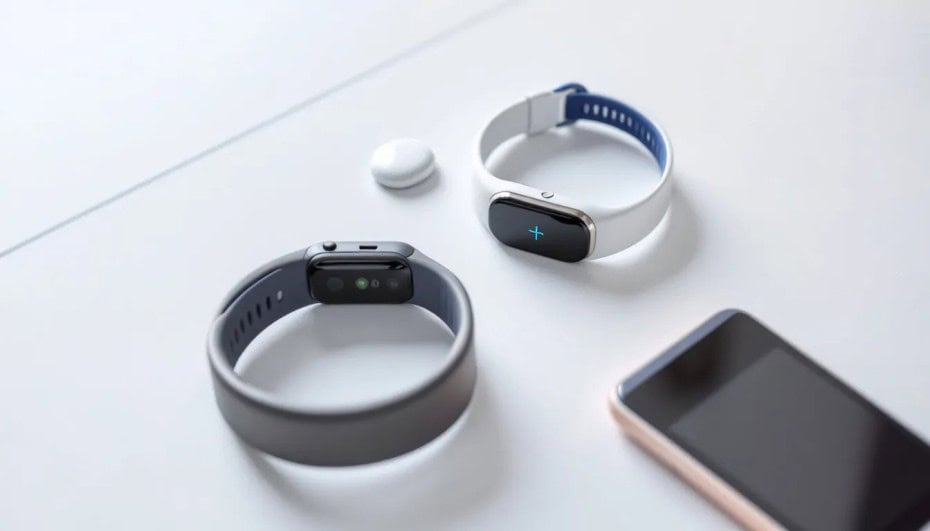
- Recovery trackers monitor sleep quality, heart rate variability (HRV), and stress levels to optimize athletic performance and daily wellness
- Top devices like Oura Ring Generation 3 and Whoop 4.0 require monthly subscriptions ($5.99-$30) but provide detailed recovery analytics
- Dedicated recovery trackers offer more accurate sleep data than traditional smartwatches but may lack comprehensive fitness tracking features
- Key metrics include resting heart rate, HRV, sleep stages, and recovery scores that help determine optimal training intensity
- Most recovery trackers require 2-4 weeks of consistent wear to establish accurate baseline measurements for personalized insights
Recovery has become the cornerstone of modern fitness and wellness optimization. While traditional fitness trackers focus primarily on activity and workouts, a new category of recovery tracker devices has emerged to help athletes and health-conscious individuals understand when their body is ready to perform and when it needs rest.
The importance of recovery monitoring cannot be overstated. Professional athletes and fitness experts recognize that training without proper recovery leads to diminished performance, increased injury risk, and potential overtraining syndrome. A quality recovery tracker provides the data needed to make informed decisions about training intensity, sleep optimization, and overall health management.
This comprehensive guide will help you understand everything about recovery trackers, from the technology behind them to choosing the perfect device for your specific needs. Whether you’re a professional athlete, fitness enthusiast, or someone looking to improve their sleep and daily wellness, you’ll find the information needed to make an informed decision.
What is a Recovery Tracker
A recovery tracker is a specialized wearable device designed to monitor physiological markers that indicate how well your body has recovered from physical stress, sleep deprivation, and daily activities. Unlike traditional fitness trackers that primarily focus on steps and active calories, recovery trackers continuously monitor your body’s internal state to provide insights into your readiness for training and daily activities.
The fundamental difference between recovery trackers and conventional smartwatches lies in their measurement focus. While a typical fitness tracker might tell you how many calories you burned during exercise, a recovery tracker analyzes whether your body is physiologically prepared for another intense workout. This distinction makes recovery trackers invaluable for anyone serious about optimizing their performance and health.

Recovery trackers measure several key physiological markers that provide insight into your body’s state:
Heart Rate Variability (HRV) represents the variation in time between heartbeats and serves as one of the most important indicators of recovery status. Higher HRV typically indicates better recovery and readiness for training, while lower HRV suggests your body needs more rest. The autonomic nervous system controls HRV, making it an excellent window into your overall stress and recovery state.
Resting Heart Rate monitoring throughout the night and early morning provides another crucial recovery metric. An elevated resting heart rate compared to your baseline often indicates incomplete recovery, illness onset, or excessive stress. Quality recovery trackers can detect subtle changes in resting heart rate that might not be noticeable to the user.
Sleep Stage Analysis goes beyond simple sleep duration to analyze the quality and architecture of your sleep. Recovery trackers monitor time spent in deep sleep, REM sleep, and light sleep phases. Deep sleep is particularly important for physical recovery, while REM sleep supports cognitive function and memory consolidation.
Body Temperature Variations throughout the night can indicate recovery status, menstrual cycle phases, and potential illness onset. Advanced recovery trackers use temperature sensors to provide insights that complement other physiological measurements.
Target users for recovery trackers include athletes seeking performance optimization, individuals with sleep disorders wanting detailed sleep insights, fitness enthusiasts looking to prevent overtraining, and anyone focused on improving their overall wellness through better recovery habits.
Types of Recovery Trackers
The recovery tracker market offers several distinct form factors, each with unique advantages and limitations. Understanding these differences helps you choose the best option for your lifestyle and monitoring needs.
Ring-Based Trackers
Ring-based recovery trackers, led by the popular Oura Ring 3 and emerging Circular Ring, offer the most discreet monitoring option available. These devices excel at sleep tracking because they don’t interfere with sleep comfort like wrist-worn devices can for some users.
The finger placement provides excellent access to blood flow for accurate heart rate and HRV measurements. Ring trackers typically offer impressive battery life, often lasting 5-7 days between charges. The discreet nature means you can wear them 24/7 without drawing attention, making them ideal for professionals who prefer subtle health monitoring.
However, ring-based trackers have limitations for exercise monitoring. The finger location makes them less accurate for heart rate tracking during high-intensity workouts compared to chest straps or quality wrist-worn devices. They also typically lack GPS functionality and comprehensive fitness tracking features.
Wrist-Based Bands
Wrist-based recovery trackers like the Whoop 4.0 and Fitbit Sense 2 represent the most common form factor. These devices offer a balance between recovery monitoring and general fitness tracking capabilities. The wrist position provides good access to heart rate measurements while maintaining comfort for most users.
Modern wrist-based recovery trackers often include advanced sensors for breathing rate, skin temperature, and even electrodermal activity measurements. Many integrate GPS for workout tracking and offer smartphone notifications, making them versatile daily companions.
The main drawbacks include potential sleep comfort issues for some users and the need for regular charging. Some people find wrist-worn devices disruptive during sleep, though this varies significantly among individuals.
Chest Strap Monitors
Chest strap monitors like the Polar H10 and Garmin HRM-Pro provide the highest accuracy for heart rate and HRV measurements. The placement directly over the heart allows for precise electrical activity detection, making these devices the gold standard for training intensity monitoring.
Professional athletes and serious fitness enthusiasts often prefer chest straps for workout monitoring while using other devices for sleep tracking. The accuracy advantage is particularly important for high-intensity interval training where precise heart rate zones matter significantly.
Chest straps are not practical for 24/7 wear, limiting their recovery monitoring capabilities to specific training sessions. They require separate devices for comprehensive sleep and recovery analysis.
Smart Clothing Integration
Emerging smart clothing options like Hexoskin and Athos embed sensors directly into garments. These systems can provide comprehensive physiological monitoring during exercise while maintaining comfort and natural movement patterns.
Smart clothing represents the future of recovery monitoring, potentially offering the accuracy of chest straps with the convenience of integrated wear. However, current options are expensive, require specialized garments, and have limited battery life.
Bedside Monitors
Non-wearable options like Withings Sleep and Emfit QS place sensors under your mattress to monitor sleep and recovery without requiring any worn device. These systems appeal to users who prefer not wearing any technology during sleep.
Bedside monitors excel at sleep stage detection and can provide detailed recovery insights without comfort compromises. They typically offer excellent battery life and don’t require daily charging. However, they cannot provide daytime recovery monitoring or exercise-related data.
Essential Features to Consider
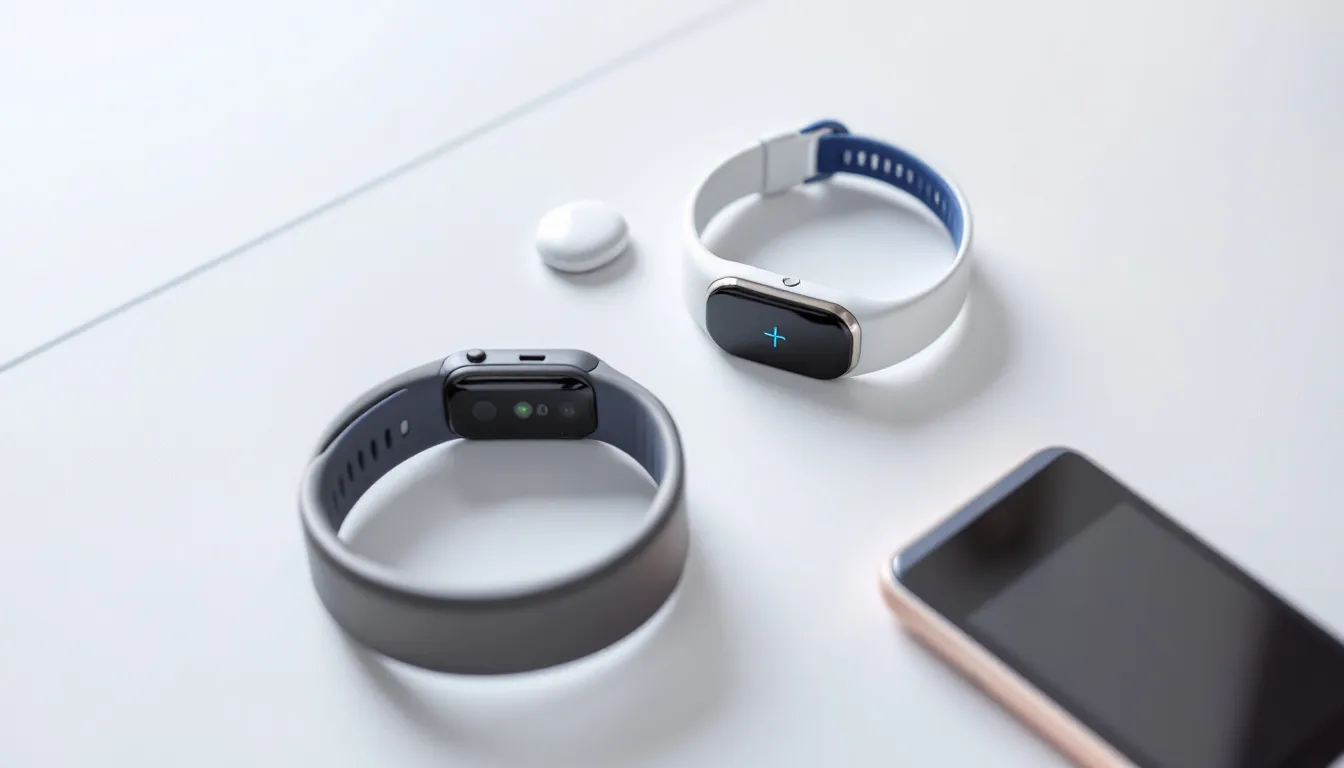
Selecting the right recovery tracker requires understanding which features align with your specific monitoring goals and lifestyle needs. The following capabilities represent the most important considerations when evaluating devices.
Sleep Stage Tracking Accuracy
Accurate sleep stage detection forms the foundation of recovery monitoring. Quality devices should reliably differentiate between light sleep, deep sleep, and REM phases throughout the night. Look for devices that have been validated against polysomnography, the medical gold standard for sleep measurement.
The most advanced recovery trackers achieve 85-95% accuracy for sleep stage detection compared to laboratory equipment. This level of accuracy provides meaningful insights for optimizing sleep habits and understanding recovery patterns. Devices with lower accuracy may provide misleading information that could negatively impact training decisions.
Sleep efficiency calculations help you understand not just how long you slept, but how much of that time was spent actually sleeping versus lying awake. Quality recovery trackers should detect periods of wakefulness during the night and calculate accurate sleep efficiency percentages.
Heart Rate Variability Measurement
HRV measurement represents one of the most complex and important features in recovery tracking. The device must capture precise timing between heartbeats, typically measured in milliseconds. Look for devices that use validated HRV algorithms and provide multiple HRV metrics such as RMSSD, pNN50, or frequency domain analysis.
The timing of HRV measurement matters significantly. The most accurate recovery insights come from HRV measurements taken during deep sleep when the autonomic nervous system is most stable. Devices that only measure HRV during wake periods or specific measurement windows may provide less reliable recovery insights.
Some advanced recovery trackers provide HRV trends over time, which offer more valuable insights than single-night measurements. Your HRV baseline is highly individual, making trend analysis crucial for meaningful interpretation.
Battery Life Requirements
Recovery tracking requires continuous monitoring, making battery life a critical consideration. Devices should offer at least 5-7 days of battery life for practical daily use. Shorter battery life leads to monitoring gaps that can compromise the value of trend analysis.
Consider the charging method and time required. Some devices offer rapid charging that provides several days of use from a brief charging session. Others require longer charging periods that might interfere with continuous monitoring.
Battery performance often degrades over time, so devices with initially longer battery life maintain practical usability longer. Factor in the expected device lifespan when evaluating battery specifications.
Water Resistance Ratings
Twenty-four hour monitoring requires water resistance for shower use and potentially swimming. Look for devices rated for at least 3 ATM (30 meters) water resistance for shower safety. Serious swimmers need devices rated for deeper water resistance and specifically tested for swimming activities.
Water resistance ratings can degrade over time, particularly with frequent exposure to soap, shampoo, and temperature extremes. Regular maintenance and understanding warranty coverage for water damage is important for devices you plan to wear continuously.
Mobile App Quality and Data Visualization
The mobile app represents your primary interface with recovery data, making app quality crucial for device utility. Look for apps that provide clear, actionable insights rather than overwhelming amounts of raw data. The best recovery tracker apps translate complex physiological measurements into simple recommendations for sleep, training, and lifestyle adjustments.
Data export capabilities allow you to integrate recovery insights with other health and fitness platforms. This feature becomes important for athletes working with coaches or anyone wanting comprehensive health data analysis.
Regular app updates and responsive customer support indicate ongoing device development and problem resolution. Established companies with dedicated development teams typically provide better long-term software support.
Integration with Training Platforms
Serious athletes benefit from recovery tracker integration with platforms like Strava, TrainingPeaks, and MyFitnessPal. This integration allows recovery data to inform training planning and provides coaches with comprehensive athlete monitoring capabilities.
Some recovery trackers offer direct integration with specific training programs or coaching platforms. These partnerships can provide more sophisticated analysis that combines recovery metrics with training load and performance data.
Consider whether the device supports popular health platforms like Apple Health, Google Fit, or Samsung Health if you use these ecosystems for comprehensive health tracking.
Subscription vs One-Time Purchase Models
The recovery tracker market has embraced subscription models for many premium devices, fundamentally changing the cost structure for users. Understanding these models helps you make informed decisions about long-term ownership costs and feature access.
Whoop 4.0 Subscription Model
Whoop pioneered the subscription-only model for recovery trackers, charging $30 per month or $239 annually for unlimited access to the device and all features. The subscription includes the hardware, replacement devices if needed, and continuous software updates with new features.
This model appeals to users who want the latest technology without large upfront costs. The monthly subscription includes customer support, device replacement for defects, and access to new features as they’re developed. However, the ongoing cost accumulates significantly over time.
The Whoop subscription provides access to detailed recovery analytics, strain coaching, and sleep optimization features. Users receive personalized recommendations based on their individual data patterns and recovery goals. The coaching aspect adds significant value for athletes seeking performance optimization.
For budget analysis, the Whoop model costs approximately $720 over two years and $1,440 over four years. This ongoing expense must be weighed against the device capabilities and personal value derived from the recovery insights.
Oura Ring Generation 3 Pricing Structure
Oura uses a hybrid model with a $299 device purchase plus a $5.99 monthly membership for detailed analytics. Basic sleep and activity tracking remains free, but advanced recovery features, trends analysis, and personalized insights require the subscription.
The Oura membership provides access to detailed sleep analysis, readiness scores, period prediction, and workout heart rate tracking. Without the membership, users receive basic data but miss the advanced analytics that make recovery tracking actionable.
Over two years, the Oura model costs approximately $443 ($299 device + $144 membership) and $731 over four years. This represents a middle ground between subscription-only and one-time purchase models.
The device replacement cost for Oura rings represents an additional consideration, as the device isn’t typically replaceable under normal wear and tear outside the warranty period.
Garmin One-Time Purchase Approach
Garmin devices like the Forerunner 965 and Fenix series use traditional one-time purchase pricing, typically ranging from $300-$800 depending on the model. All recovery features, including HRV tracking, sleep analysis, and training readiness, are included without ongoing fees.
The Garmin Connect platform provides comprehensive data analysis, trend tracking, and integration with third-party platforms at no additional cost. This approach appeals to users who prefer ownership without ongoing subscription commitments.
Long-term software support varies with Garmin devices, typically including several years of feature updates and new capabilities. However, the most advanced features may eventually require newer device purchases.
For budget planning, a $500 Garmin device costs the same regardless of usage duration, making it more economical for long-term users. The break-even point typically occurs around 18-24 months compared to subscription models.
Comparison of Free Features vs Premium Benefits
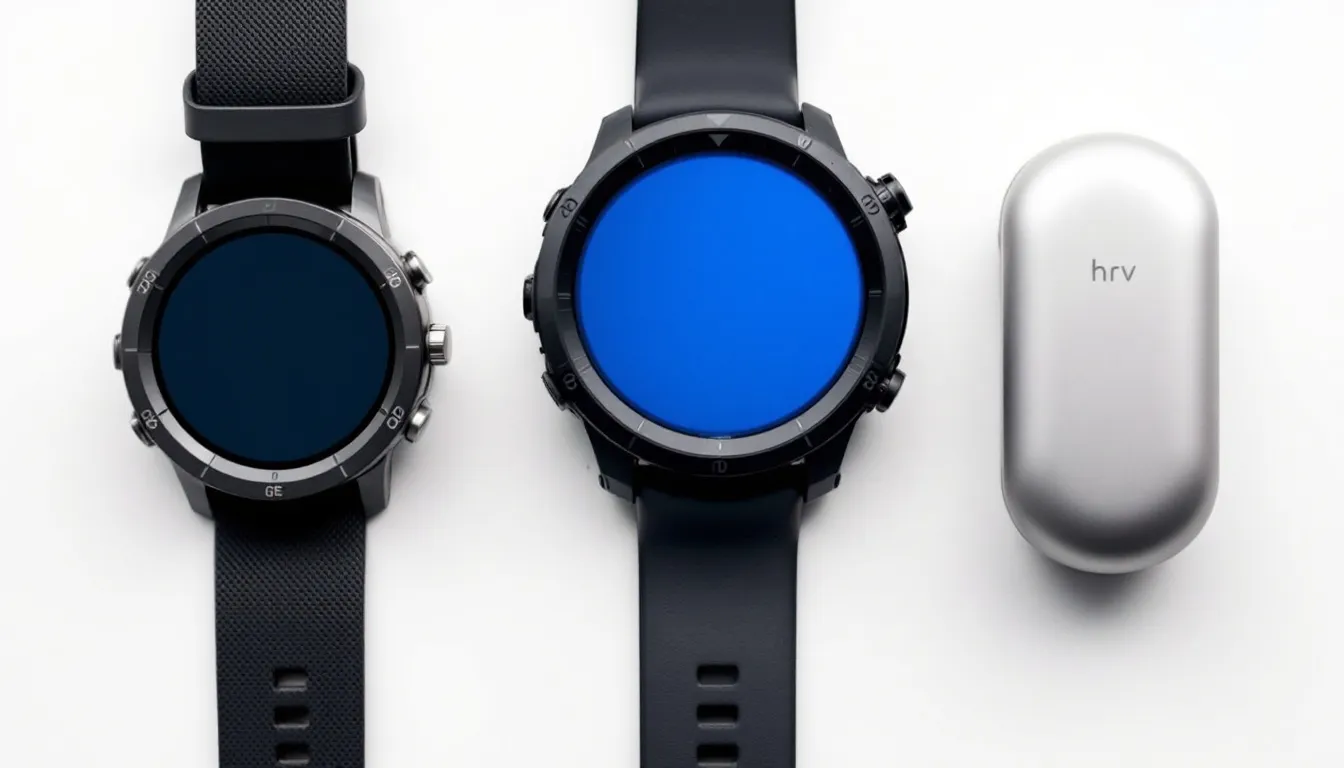
Understanding what features require subscriptions helps evaluate the true value proposition of each model. Basic metrics like sleep duration, heart rate, and activity tracking are typically available without subscriptions across most devices.
Advanced features requiring subscriptions often include detailed sleep stage analysis, personalized recovery recommendations, trend analysis beyond basic periods, integration with training platforms, and access to research-backed insights and coaching.
The value of premium features depends significantly on individual goals and technical expertise. Casual users interested in basic sleep improvement might find free features sufficient, while serious athletes typically benefit from premium analytics and coaching features.
Some devices offer trial periods for premium features, allowing users to evaluate the value before committing to ongoing subscriptions. These trials provide valuable insight into whether advanced features justify the additional costs.
Best Recovery Trackers in 2024
The current recovery tracker market offers several excellent options, each with distinct strengths and ideal use cases. The following comprehensive reviews provide detailed analysis to help you choose the device that best matches your needs and budget.
Oura Ring Generation 3
The Oura Ring Generation 3 represents the pinnacle of discreet recovery monitoring, combining advanced sensor technology with a sleek titanium design that many users wear continuously without discomfort. At just 2.55mm thick, the ring provides comprehensive sleep and recovery tracking while remaining virtually unnoticeable during daily activities.
Technical Specifications:
- Battery life: 7 days typical usage
- Charging time: 80 minutes for full charge
- Water resistance: 100 meters
- Weight: 4-6 grams depending on size
- Materials: Titanium construction with hypoallergenic coating
- Sensors: Photoplethysmography, accelerometer, gyroscope, temperature sensor
Sleep Tracking Performance: The Oura Ring achieves exceptional sleep tracking accuracy, with independent studies showing 96% accuracy for sleep stage detection compared to polysomnography. The device excels at detecting sleep onset, wake periods, and the transitions between different sleep stages throughout the night.
Temperature sensing capabilities provide unique insights not available in most competitors. The ring detects subtle body temperature variations that can indicate illness onset, recovery status, and menstrual cycle tracking for female users. This feature has proven particularly valuable during the recovery period following illness or intense training blocks.
Recovery Metrics Analysis: Oura’s readiness score combines multiple physiological markers into a single, actionable metric ranging from 0-100. The algorithm considers HRV, resting heart rate, body temperature, and sleep quality to provide daily guidance on training intensity and recovery needs.
The sleep score evaluates both sleep quantity and quality, providing specific recommendations for improving sleep habits. The scoring system helps users understand which factors most significantly impact their sleep quality and recovery.
Activity scores encourage appropriate daily movement while considering recovery status. The device learns individual patterns and adjusts recommendations based on personal baselines and goals.
Strengths:
- Exceptional sleep tracking accuracy validated by independent research
- Completely discreet design suitable for all-day wear
- Temperature sensing provides unique health insights
- Seven-day battery life minimizes charging interruptions
- Premium build quality with durable titanium construction
Limitations:
- Poor exercise heart rate accuracy during high-intensity activities
- Subscription required for most advanced features and insights
- Limited fitness tracking capabilities compared to dedicated sports watches
- Size availability may not fit all finger sizes comfortably
- Relatively expensive with ongoing membership costs
Ideal Users: The Oura Ring excels for users prioritizing sleep optimization and discrete health monitoring. It’s particularly valuable for professionals who need subtle health tracking, individuals with sleep disorders seeking detailed insights, and anyone who finds wrist-worn devices uncomfortable during sleep.
Whoop 4.0
The Whoop 4.0 revolutionizes recovery tracking with its subscription-first model and focus on strain, recovery, and sleep optimization. Unlike traditional fitness trackers, Whoop intentionally omits a display to minimize distractions and encourage users to focus on their body’s internal signals rather than constantly checking metrics.
Technical Specifications:
- Battery life: 5 days continuous use
- Charging: Wireless on-device charging while wearing
- Water resistance: Waterproof to 10 meters
- Weight: 33 grams
- Sensors: 5-LED photoplethysmography, accelerometer, gyroscope, skin conductance
Unique Design Philosophy: The screenless design represents a fundamental departure from traditional wearables. Users access all data through the mobile app, encouraging mindful interaction with recovery metrics rather than compulsive checking. The device focuses entirely on physiological monitoring without smartphone notifications or distractions.
Flexible wearing options include wrist bands, clothing clips, and specialized garments. This versatility allows users to optimize sensor placement for different activities and personal preferences. The clothing integration options appeal particularly to athletes who prefer chest or arm placement for exercise monitoring.
Recovery and Strain Coaching: Whoop’s strain coaching provides personalized recommendations for daily exertion based on recovery status. The system considers sleep quality, HRV, and resting heart rate to suggest optimal training intensity ranges. This coaching approach helps prevent overtraining while maximizing productive training stress.
The recovery score updates throughout the day as the device gathers more physiological data. Morning recovery scores provide initial guidance, while the system refines recommendations as it collects additional heart rate and activity information.
Sleep coaching features provide personalized bedtime recommendations based on recent sleep debt, planned activities, and individual sleep needs. The system learns individual sleep patterns and provides specific guidance for optimizing sleep timing and environment.
Advanced Analytics: Whoop provides detailed strain analysis that goes beyond simple heart rate monitoring. The system calculates physiological strain based on heart rate variability, duration of elevated heart rate, and individual cardiovascular fitness levels.
Monthly performance assessments track long-term trends in recovery, strain, and sleep quality. These reports help users understand seasonal patterns, training adaptations, and lifestyle factors affecting their recovery and performance.
Strengths:
- Comprehensive strain and recovery coaching with personalized recommendations
- Screenless design minimizes distractions and encourages mindful health monitoring
- Flexible wearing options accommodate different activities and preferences
- Continuous software updates and feature additions included in subscription
- Detailed analytics and long-term trend tracking
Limitations:
- Subscription-only model with no option for one-time purchase
- Limited smartwatch features like notifications or GPS tracking
- Heart rate accuracy can be inconsistent during rapid intensity changes
- No display requires smartphone access for all data viewing
- Higher long-term cost compared to one-time purchase alternatives
Ideal Users: Whoop appeals strongly to serious athletes and fitness enthusiasts who value detailed coaching and analytics over traditional smartwatch features. It’s particularly valuable for endurance athletes, CrossFit participants, and anyone wanting to optimize training intensity based on recovery status.
Garmin Forerunner 965
The Garmin Forerunner 965 represents the premium end of multisport GPS watches with comprehensive recovery tracking capabilities. While not exclusively focused on recovery like dedicated devices, it provides sophisticated physiological monitoring alongside extensive fitness tracking features.
Technical Specifications:
- Battery life: 23 days smartwatch mode, 31 hours GPS mode
- Display: 1.4-inch AMOLED touchscreen
- Water resistance: 5 ATM (50 meters)
- Weight: 53 grams
- Storage: 32GB for maps and music
- Connectivity: Wi-Fi, Bluetooth, ANT+
Recovery Features Integration: Training Readiness combines multiple recovery metrics into a comprehensive daily score. The algorithm considers HRV status, sleep quality, recovery time from recent workouts, and training load balance to provide specific guidance for training intensity.
HRV Status tracking provides both morning measurements and trend analysis over time. The device establishes individual baselines and alerts users to significant deviations that might indicate illness, overtraining, or improved fitness.
Body Battery energy monitoring tracks energy levels throughout the day based on heart rate variability, stress levels, sleep quality, and activity intensity. This feature helps users understand how different activities and lifestyle factors affect their energy reserves.
Sleep Analysis Capabilities: Comprehensive sleep tracking includes automatic nap detection, sleep stage analysis, and sleep coaching recommendations. The device monitors sleep duration, efficiency, and quality while providing specific suggestions for sleep improvement.
Pulse Ox monitoring during sleep tracks blood oxygen saturation levels, which can indicate sleep disorders or altitude acclimatization. This feature provides additional insights into sleep quality and potential respiratory issues.
Training Integration: Recovery data directly integrates with Garmin’s training features, including suggested workouts, training load balance, and performance condition assessments. The device adjusts workout recommendations based on current recovery status and training goals.
Connect IQ platform compatibility allows third-party apps and data fields for customized recovery monitoring and analysis. This extensibility appeals to users wanting specialized recovery tracking beyond Garmin’s built-in features.
Strengths:
- No subscription fees for comprehensive recovery and training features
- Extensive battery life supports long-duration activities and continuous monitoring
- Professional-grade GPS and multisport tracking capabilities
- Comprehensive ecosystem integration with cycling computers, chest straps, and other sensors
- Regular software updates with new features and improvements
Limitations:
- Bulkier design may be uncomfortable for sleep wear compared to dedicated recovery trackers
- Interface complexity can overwhelm users seeking simple recovery insights
- Premium pricing places it in the high-end market segment
- Sleep tracking accuracy may not match specialized sleep monitoring devices
- Advanced features require significant learning curve for optimal utilization
Ideal Users: The Forerunner 965 excels for serious athletes who want comprehensive training and recovery monitoring in a single device. It’s particularly valuable for triathletes, runners, and outdoor enthusiasts who need GPS capabilities alongside recovery tracking.
How to Choose the Right Recovery Tracker
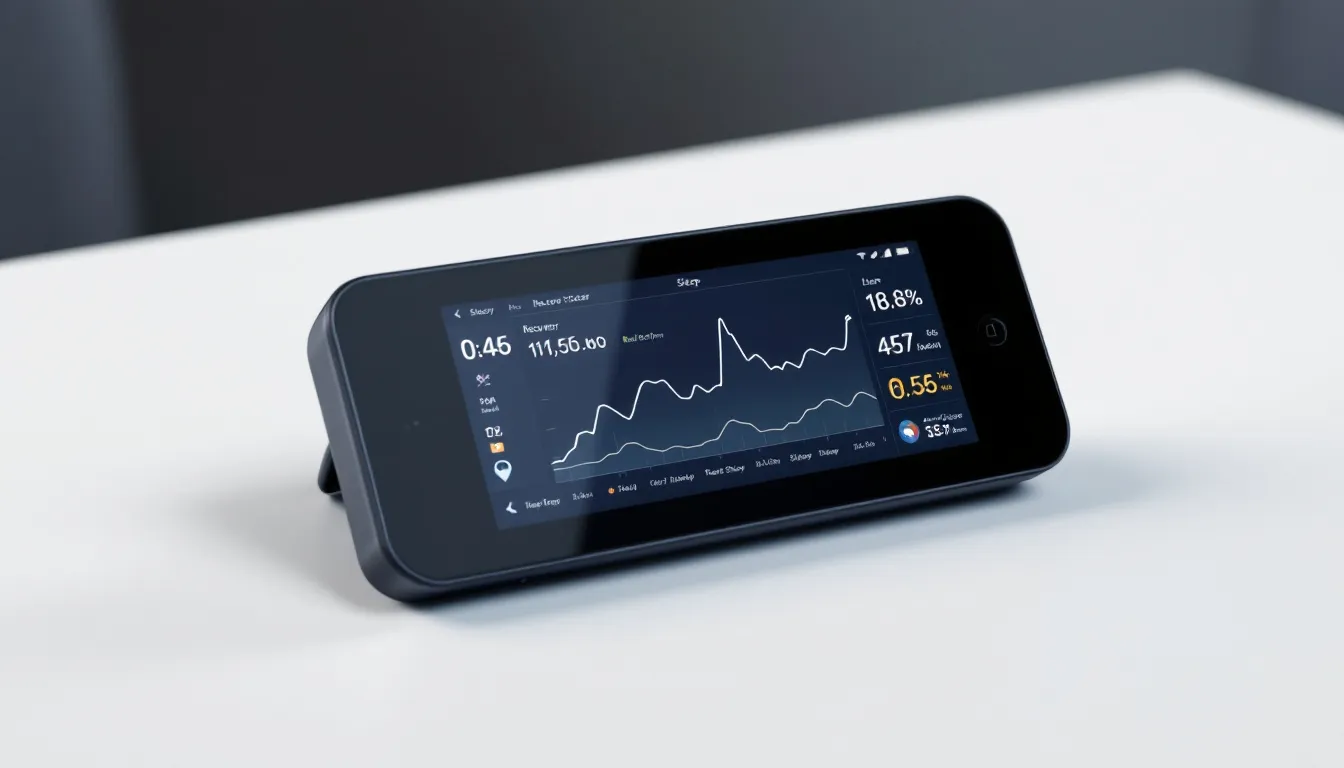
Selecting the optimal recovery tracker requires careful consideration of your individual needs, preferences, and circumstances. The following assessment framework helps you evaluate options systematically and make an informed decision that aligns with your goals and lifestyle.
Lifestyle and Activity Assessment
Begin by honestly evaluating your current activity level and fitness goals. Casual exercisers who walk or do light yoga have different recovery monitoring needs compared to competitive athletes training multiple times per day. Your activity intensity and frequency should influence both the sophistication and durability requirements for your recovery tracker.
Consider your sleep patterns and any existing sleep issues. People with diagnosed sleep disorders or chronic sleep problems often benefit from the most advanced sleep tracking capabilities, even if it means higher costs. Conversely, individuals with generally good sleep might find basic sleep tracking sufficient for their optimization goals.
Evaluate your comfort with technology and data analysis. Some recovery trackers provide simple, actionable insights, while others offer detailed metrics requiring interpretation. Consider whether you want to actively analyze data or prefer automated recommendations and coaching.
Budget Planning and Total Cost Analysis
Calculate the true cost of ownership over 2-3 years, including device purchase price, subscription fees, and potential replacement costs. Subscription-based models often appear less expensive initially but accumulate significant costs over time.
Consider the value of features you’ll actually use. Premium devices offer extensive capabilities, but paying for unused features represents poor value. Identify the specific metrics and insights you need for your goals, then choose devices providing those capabilities efficiently.
Factor in potential upgrade cycles and technology evolution. Recovery tracking technology advances rapidly, and devices purchased today may lack features available in future models. Consider whether you prefer cutting-edge features with higher upgrade frequency or stable, proven technology with longer useful life.
Compatibility and Integration Requirements
Assess your existing technology ecosystem and integration needs. Users heavily invested in specific platforms (Apple, Google, Garmin) often benefit from choosing recovery trackers that integrate seamlessly with their existing devices and apps.
Consider your smartphone platform and app preferences. Recovery tracker mobile apps vary significantly in quality and functionality. Research app store ratings and recent reviews to understand the user experience you can expect.
Evaluate integration with any coaching or training platforms you currently use. Athletes working with coaches often need recovery trackers that export data to specific training analysis platforms.
Physical Comfort and Wearing Preferences
Physical comfort during 24/7 wear represents a crucial but often overlooked factor. Consider any skin sensitivities, allergies, or comfort preferences that might affect device selection. Some users find wrist-worn devices disruptive during sleep, while others experience finger sensitivity with ring-based trackers.
Think about your work environment and any restrictions on wearable technology. Some workplaces prohibit certain types of wearable devices, or you might prefer discrete monitoring options for professional settings.
Consider climate and activity conditions where you’ll use the device. Users in hot, humid climates or those participating in water sports need devices designed for these conditions.
Data Privacy and Security Considerations
Research each manufacturer’s data privacy policies and practices. Recovery trackers collect intimate health information, making data security and privacy policies crucial considerations. Understand what data is collected, how it’s stored, and whether it’s shared with third parties.
Consider data portability and export options. You should be able to access your health data if you change devices or if the manufacturer discontinues service. Look for devices that provide comprehensive data export capabilities.
Evaluate the company’s long-term stability and track record. Health data represents a long-term investment, and you want confidence that the company will continue supporting your device and data access over time.
Trial Periods and Return Policies
Many recovery tracker manufacturers offer trial periods or generous return policies. Take advantage of these programs to test device comfort, app functionality, and data accuracy before making final decisions.
Use trial periods to test the device during various activities and sleep conditions. A few days of testing may not reveal issues that become apparent after extended wear or specific use cases.
Compare trial experiences across multiple devices if possible. Direct comparison often reveals preferences and requirements that aren’t apparent when evaluating devices individually.
Maximizing Your Recovery Tracker Benefits
Achieving optimal results from your recovery tracker requires more than simply wearing the device. Strategic setup, consistent usage patterns, and thoughtful interpretation of data maximize the value and insights you gain from your investment.
Initial Setup and Baseline Development
The first 2-4 weeks with your recovery tracker are crucial for establishing accurate baseline measurements. During this period, maintain consistent sleep schedules, normal activity levels, and typical daily routines. Dramatic lifestyle changes during the baseline period can skew your individual benchmarks and reduce the accuracy of future recommendations.
Ensure proper device fit and placement for your specific recovery tracker. Ring-based devices should fit snugly without being uncomfortably tight, while wrist-worn devices should maintain consistent skin contact without restricting circulation. Proper placement directly affects measurement accuracy and data quality.
Complete all initial setup questionnaires and profile information accurately. Recovery trackers use personal information like age, weight, fitness level, and health conditions to customize algorithms and recommendations. Inaccurate profile information leads to inappropriate recommendations and reduced device effectiveness.
Daily Routine Integration
Establish consistent habits around device usage and data review. Most users benefit from checking recovery scores each morning to inform daily training and activity decisions. However, avoid obsessive data checking that creates stress or anxiety about metrics.
Develop routines for device charging and maintenance that minimize monitoring gaps. Plan charging sessions during periods when you’re naturally not wearing the device, such as during showers or specific daily activities.
Learn to interpret your individual patterns and responses rather than comparing your metrics to general population averages. Recovery metrics are highly individual, and your baseline values might differ significantly from published norms while still indicating excellent health and recovery.
Training and Lifestyle Adjustments
Use recovery data to adjust training intensity and volume based on your body’s actual readiness rather than predetermined schedules. High recovery scores indicate capacity for intense training, while low scores suggest focusing on active recovery or lighter activities.
Pay attention to lifestyle factors that consistently impact your recovery metrics. Common factors include alcohol consumption, late meals, room temperature, stress levels, and screen time before bed. Identifying your personal recovery influencers allows for targeted lifestyle adjustments.
Implement gradual changes based on recovery insights rather than dramatic lifestyle overhauls. Sudden changes make it difficult to identify which factors most significantly impact your recovery and can create additional stress that negatively affects metrics.
Understanding Recovery Trends
Focus on weekly and monthly trends rather than daily fluctuations. Recovery metrics naturally vary day-to-day due to numerous factors, but consistent trends over longer periods provide more meaningful insights for health and performance optimization.
Track correlations between recovery metrics and your subjective feelings of energy and readiness. Over time, you’ll develop intuition about how your recovery scores relate to your actual performance capacity and well-being.
Monitor how your recovery metrics respond to different types of training, life stress, travel, and seasonal changes. This understanding helps you predict and prepare for periods when you might need additional recovery support.
Common Interpretation Mistakes
Avoid making training decisions based solely on single-day recovery scores without considering context. Factors like room temperature, device placement, alcohol consumption, or illness can temporarily affect metrics without indicating actual training readiness changes.
Don’t attempt to hack or manipulate recovery scores through behaviors aimed at improving metrics rather than actual recovery. Focus on genuine recovery practices like quality sleep, stress management, and appropriate nutrition rather than trying to game the system.
Resist the urge to train intensely when recovery scores are low simply because you feel motivated or have planned workouts. Recovery trackers provide objective data that often reveals physiological stress before you feel subjective fatigue.

Understanding Recovery Metrics
Recovery metrics provide a window into your autonomic nervous system and overall physiological state, but interpreting these measurements correctly requires understanding what each metric represents and how they interact with each other.
Heart Rate Variability Analysis: HRV represents the variation in time between heartbeats, measured in milliseconds. Higher HRV generally indicates better recovery and parasympathetic (rest and digest) nervous system dominance. However, individual baselines vary dramatically – some people naturally have higher or lower HRV while maintaining excellent health and performance.
Your personal HRV baseline typically ranges within specific parameters, and deviations of 20% or more from your average often indicate significant physiological changes. Consistently declining HRV over several days might indicate overtraining, illness onset, or excessive life stress requiring attention.
Age, fitness level, genetics, and training background all influence baseline HRV values. Endurance athletes typically develop higher HRV over time, while aging naturally leads to gradual HRV decline. Focus on your personal trends rather than comparing absolute values to other people.
Resting Heart Rate Interpretation: Resting heart rate measured during deep sleep provides the most accurate baseline for comparison. Elevations of 5-10 beats per minute above your personal average often indicate incomplete recovery, dehydration, illness, or excessive training stress.
Improving cardiovascular fitness typically leads to lower resting heart rates over time. Well-trained endurance athletes often have resting heart rates in the 40-50 beat per minute range, while sedentary individuals might have resting rates above 70 beats per minute.
Temporary resting heart rate elevations can result from factors like alcohol consumption, dehydration, room temperature, stress, or medication changes. Consider these factors when interpreting daily variations in resting heart rate measurements.
Sleep Efficiency and Architecture: Sleep efficiency represents the percentage of time spent actually sleeping versus lying in bed. Healthy adults typically achieve 85-95% sleep efficiency, with lower percentages indicating difficulty falling asleep or frequent nighttime awakenings.
Sleep architecture analysis reveals time spent in different sleep stages. Adults need approximately 20-25% of sleep time in deep sleep for physical recovery and 20-25% in REM sleep for cognitive function. Significant deviations from these ranges might indicate sleep disorders or suboptimal sleep conditions.
Sleep latency (time to fall asleep) under 20 minutes is considered normal, while consistently taking longer might indicate caffeine sensitivity, stress, or poor sleep hygiene. Very short sleep latency (under 5 minutes) can indicate sleep deprivation rather than healthy sleep habits.
Body Temperature Patterns: Core body temperature naturally fluctuates throughout 24-hour cycles, typically dropping before sleep onset and rising before natural wake times. Recovery trackers monitor skin temperature as a proxy for these internal temperature changes.
Elevated nighttime temperatures might indicate illness onset, excessive training stress, or environmental factors affecting sleep quality. Some recovery trackers can detect temperature changes that precede cold or flu symptoms by 1-2 days.
For women, body temperature patterns can provide insights into menstrual cycle phases and fertility windows. Temperature-sensing recovery trackers offer natural family planning support and cycle tracking capabilities.
Respiratory Rate Monitoring: Resting respiratory rate during sleep typically ranges from 12-20 breaths per minute for healthy adults. Elevated respiratory rates might indicate illness, anxiety, poor air quality, or altitude exposure.
Some advanced recovery trackers monitor breathing patterns during sleep to detect potential sleep apnea or other breathing disorders. While not diagnostic tools, these devices can identify patterns worth discussing with healthcare providers.
Stress and anxiety often manifest as elevated respiratory rates even during rest periods. Monitoring breathing patterns helps identify periods of elevated stress that might require attention or lifestyle adjustments.
Troubleshooting Common Issues
Even the best recovery trackers occasionally experience problems that can affect data accuracy and user experience. Understanding common issues and their solutions helps you maintain consistent monitoring and maximize device performance.
Data Accuracy and Consistency Problems
Inconsistent heart rate readings often result from poor device placement or skin contact issues. For wrist-worn devices, ensure the sensor maintains contact with clean, dry skin without being overly tight. Hair, tattoos, or excessive movement can interfere with optical heart rate sensors.
Temperature changes, exercise intensity, and arm position during sleep can affect measurement accuracy. Some users find that alternating wrists periodically or adjusting band tightness improves consistency. Ring-based trackers should fit snugly without cutting off circulation, and finger swelling throughout the day can affect fit and accuracy.
Calibration issues sometimes develop over time, requiring device resets or recalibration procedures. Most manufacturers provide specific calibration instructions for addressing persistent accuracy problems. Regular software updates often include improvements to measurement algorithms and accuracy.
Battery Performance Optimization
Battery degradation represents one of the most common long-term issues with recovery trackers. Optimize battery life by adjusting screen brightness, reducing unnecessary notifications, and disabling features you don’t use regularly. GPS tracking and continuous heart rate monitoring consume significant battery power.
Extreme temperatures can affect battery performance and longevity. Avoid exposing devices to excessive heat or cold, and remove devices during activities like saunas or ice baths unless specifically rated for those conditions.
Charging habits affect long-term battery health. Most modern devices use lithium-ion batteries that benefit from partial charging cycles rather than complete drain and recharge cycles. Avoid leaving devices on chargers for extended periods after reaching full charge.
Skin Irritation and Comfort Issues
Skin sensitivity and allergic reactions can develop over time, even with hypoallergenic materials. Rotate wearing positions, keep devices and skin clean and dry, and consider alternative band materials if irritation develops. Some users benefit from wearing devices on different fingers or wrists periodically.
Proper device cleaning prevents bacteria buildup and reduces irritation risk. Use manufacturer-recommended cleaning methods and avoid harsh chemicals that might damage device materials or sensors. Regular cleaning also maintains sensor accuracy by removing buildup that can interfere with measurements.
For users with persistent skin issues, consider alternative wearing methods such as clip-on attachments for clothing or specialized mounting options that maintain sensor contact while reducing direct skin exposure.
Connectivity and Syncing Problems
Bluetooth connectivity issues often resolve with basic troubleshooting steps. Restart both your recovery tracker and smartphone, ensure devices are within appropriate range, and check for interference from other Bluetooth devices. Older smartphones may have compatibility issues with newer recovery tracker models.
App-related syncing problems sometimes require force-closing and restarting the companion app or logging out and back into your account. Keep apps updated to the latest versions, as manufacturers frequently release fixes for connectivity issues.
Wi-Fi syncing capabilities in some devices provide alternative data transfer methods when Bluetooth encounters problems. Ensure your recovery tracker connects to reliable Wi-Fi networks for consistent data backup and synchronization.
Software and Firmware Issues
Firmware updates occasionally introduce new bugs or compatibility problems. Research user feedback before installing major firmware updates, and understand how to revert to previous firmware versions if problems develop. Manufacturers typically release quick fixes for serious firmware issues.
App crashes or freezing problems often resolve with device restarts, app reinstallation, or clearing app cache data. Document recurring problems with specific steps to reproduce issues, as this information helps customer support provide targeted solutions.
Factory reset procedures can resolve persistent software problems but result in loss of locally stored data. Ensure your data is backed up to manufacturer servers before performing factory resets, and understand the setup process required afterward.
When to Contact Customer Support
Contact manufacturer support for hardware defects, persistent accuracy problems that don’t resolve with troubleshooting, or warranty-related issues. Document specific problems with dates, symptoms, and troubleshooting steps you’ve already attempted.
Most manufacturers provide multiple support channels including email, phone, chat, and community forums. Community forums often provide faster solutions for common problems, while direct manufacturer contact is necessary for hardware defects or warranty claims.
Understand warranty coverage terms and limitations before contacting support. Some issues like battery degradation after normal use periods or damage from activities outside device specifications might not be covered under standard warranties.
FAQ
How accurate are recovery trackers compared to medical-grade devices and what validation studies support their claims?
Recovery trackers achieve varying levels of accuracy compared to medical-grade equipment, with the best devices reaching 85-95% accuracy for sleep stage detection when compared to polysomnography (the gold standard). For heart rate monitoring, quality devices typically achieve 95%+ accuracy during rest and moderate activity, though accuracy decreases during high-intensity exercise. Independent validation studies from organizations like Stanford University and academic sleep research centers have tested popular devices like the Oura Ring and found sleep tracking accuracy comparable to research-grade actigraphy devices. However, it’s important to note that consumer recovery trackers are not medical devices and should not be used for diagnostic purposes – they’re designed for wellness monitoring and trend analysis rather than clinical assessment.
Can recovery trackers detect illness or overtraining before symptoms appear, and how reliable are these early warning signals?
Many users report that their recovery trackers detected illness 1-3 days before they felt symptoms, typically through elevated resting heart rate, decreased HRV, or elevated body temperature. However, the reliability of these early warning signals varies significantly among individuals and device types. Factors like stress, alcohol consumption, poor sleep, or environmental changes can also cause similar metric changes, leading to false alarms. While recovery trackers can provide valuable insights into your physiological state, they should be used as one tool among many for health monitoring. The most reliable approach is learning your personal patterns over time and considering multiple metrics together rather than relying on single measurements. For overtraining detection, consistently declining HRV combined with elevated resting heart rate and poor sleep quality over several days can indicate excessive training stress, but these signs should be confirmed with subjective feelings and performance metrics.
Do I need to wear my recovery tracker during workouts, or is nighttime monitoring sufficient for accurate recovery assessment?
While nighttime monitoring captures the most important recovery data (sleep quality, HRV during rest, resting heart rate), wearing your tracker during workouts provides valuable context for interpreting recovery metrics. Exercise intensity, duration, and physiological stress directly impact next-day recovery scores, so devices that monitor workout strain can provide more accurate recovery predictions. However, if you prefer not wearing devices during exercise, nighttime-only monitoring still provides meaningful recovery insights, especially for sleep optimization. Many users successfully use bedside monitors or remove their devices during intense workouts while maintaining valuable recovery tracking. The key is consistency – whatever monitoring approach you choose, use it consistently to establish reliable baseline patterns and trends.
How long does it take for a recovery tracker to learn my baseline metrics and provide personalized recommendations?
Most recovery trackers require 2-4 weeks of consistent wear to establish reliable baseline measurements and begin providing personalized insights. During this initial period, the device learns your individual patterns for HRV, resting heart rate, sleep architecture, and temperature variations. Simple metrics like average sleep duration and resting heart rate stabilize within the first week, while more complex measurements like HRV baselines and recovery score algorithms need longer observation periods. Factors like significant lifestyle changes, illness, or inconsistent wear during the baseline period can extend the learning time. Some advanced devices continue refining their personalization algorithms for several months as they gather more data about your responses to different stressors and activities. For best results, maintain consistent sleep schedules and normal activity levels during the initial weeks while your device establishes your personal baseline patterns.
Are recovery trackers safe for people with pacemakers or other medical implants, and what precautions should be taken?
People with pacemakers or other electronic medical implants should consult their cardiologist or device manufacturer before using recovery trackers. While most consumer wearables use low-power sensors that don’t typically interfere with medical devices, individual circumstances vary and medical supervision is essential. Optical heart rate sensors in recovery trackers use LED lights and are generally considered safe, but some devices also include magnetic components for charging that could potentially interfere with certain medical implants. The FDA hasn’t identified specific interference risks between consumer wearables and pacemakers, but manufacturers of both medical devices and wearables typically recommend maintaining some distance between devices. Additionally, people with medical implants should be aware that their heart rate and HRV measurements might not follow typical patterns, potentially affecting the accuracy of recovery algorithms designed for the general population.